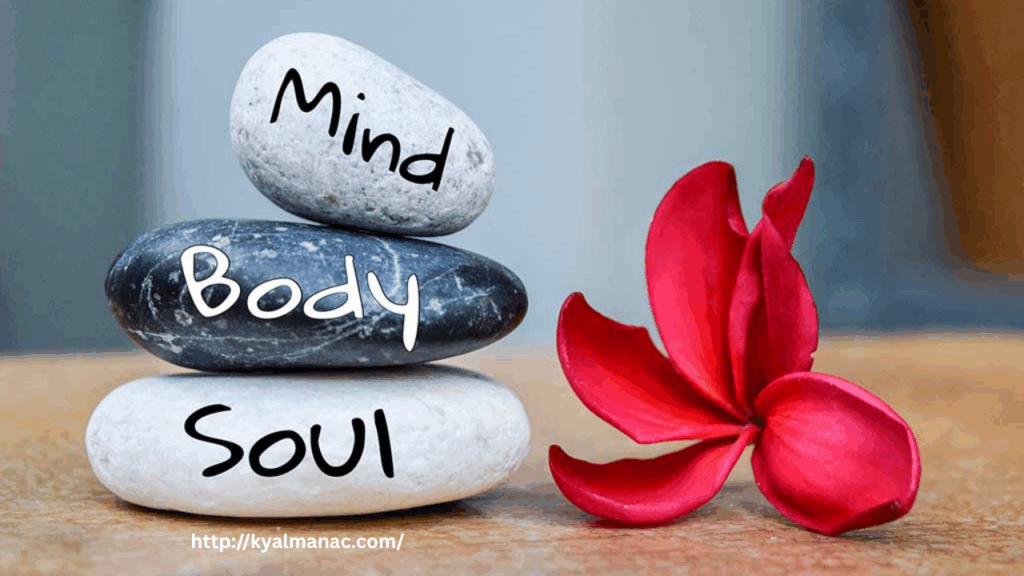
Health is often viewed through a physical lens—diet, exercise, and routine check-ups. But true wellness goes far beyond the physical. Whole-body wellness is about nurturing the mind, body, and spirit as interconnected parts of one complete system. When these three aspects of health are in harmony, individuals experience a sense of balance, energy, and inner peace that goes beyond simply “feeling good.”
What is Whole-Body Wellness?
Whole-body wellness is a holistic approach to health that considers the complete person—not just physical symptoms. It involves taking care of the body through nutrition and exercise, supporting mental health through mindfulness and emotional regulation, and fostering spiritual growth through purpose, connection, and inner reflection.
Unlike quick-fix solutions or symptom-focused treatments, whole-body wellness encourages long-term practices that promote sustained well-being. This balanced lifestyle can help prevent illness, manage stress, and lead to a more fulfilling life.
The Three Pillars of Whole-Body Wellness
1. Physical Health: The Foundation of Vitality
Physical health forms the base of overall wellness. Without a strong, well-functioning body, the mind and spirit can struggle. Important elements of physical well-being include:
- Balanced Nutrition: Eating whole, nutrient-dense foods fuels the body and brain, helping maintain energy and prevent disease.
- Regular Exercise: Physical activity strengthens the heart, muscles, and bones while releasing endorphins that improve mood and reduce stress.
- Quality Sleep: Restorative sleep is essential for healing, memory consolidation, and maintaining cognitive function.
- Preventive Care: Regular check-ups and proactive health management can catch issues early and support longevity.
2. Mental and Emotional Wellness: The Mind Matters
The mind plays a powerful role in whole-body health. Emotional stress, anxiety, and negative thinking can manifest physically, leading to fatigue, illness, or chronic pain. Practices to support mental well-being include:
- Mindfulness and Meditation: These tools improve focus, reduce stress, and foster emotional balance.
- Journaling: Writing helps process emotions, reduce mental clutter, and gain clarity.
- Therapy and Support Networks: Talking about feelings and experiences with trusted individuals or professionals promotes emotional resilience.
3. Spiritual Wellness: Nourishing the Soul
Spiritual health does not necessarily mean religious practice. It’s about finding meaning, connection, and inner peace. When spiritual needs are met, people tend to feel more grounded, purposeful, and optimistic. Ways to nurture the spirit include:
- Gratitude Practice: Reflecting on the positives in life enhances mood and mental outlook.
- Nature Connection: Time spent outdoors promotes mindfulness and a sense of belonging to something larger.
- Purpose-Driven Living: Pursuing goals that align with personal values brings deeper satisfaction and fulfillment.
The Power of Alignment
When mind, body, and spirit are aligned, individuals experience whole-body wellness. This balance supports better decision-making, resilience against stress, improved relationships, and greater enjoyment of life. Health becomes not just the absence of illness, but the presence of vitality, clarity, and inner harmony.
Conclusion
Whole-body wellness is a lifelong journey, not a destination. By caring for the body, nurturing the mind, and connecting with the spirit, you create a strong foundation for a life of purpose, joy, and lasting health. Aligning these aspects leads to true wellness—one that radiates from the inside out.